
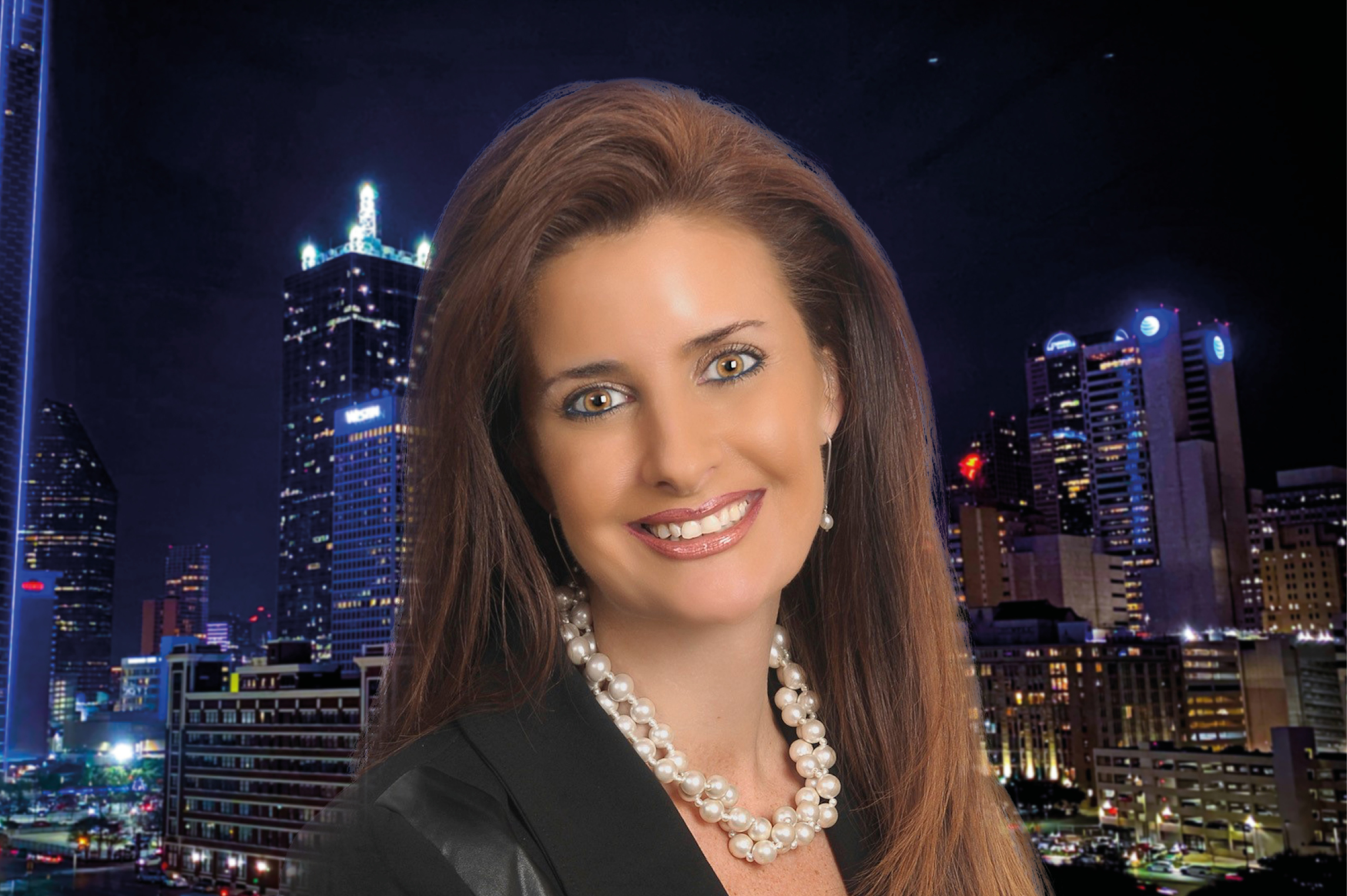
LoriAnn has over 25 years of experience in the global finance and insurance industry, notably as President of Lloyd’s of London for North America. In executive roles at The Navigators Group, Inc (Nasdaq: NAVG) where she served in various capacities as President of Navigators Commercial Insurance Company, President of Field Operations and CMO. She has previously held positions as the Managing Director and National Practice Leader for Risk Management and Financial Products for Wells Fargo, Inc. and served as Vice-Chairman of Wells Fargo Management, and as the Managing Director and Practice Leader for Enterprise Risk Management, Alternative Risk Finance, Financial Products and Advanced Risk Solutions at Marsh and McLennan, Inc and Guy Carpenter.
She served as the Chairperson of the PCI Underwriting and Marketing Committee and on the PCI Executive Roundtable.
LoriAnn serves as a non-executive director on the boards of CompRe Insurance Group Holdings Limited; The BMS Investment Holding Company and is Chair of the BMS Governance and Enterprise Risk Committee and the NED Sponsor of the DE&I Committee. She is a director on the corporate board and Chairperson of the Finance & Investment and the Nominating & Governance Committees of Copper Point Mutual Insurance Holding Company, she is Lead Independent Director of Brown & Riding Insurance, Inc. She formerly served as a non-executive director and Deputy Chair of Nominating and Governance of Protective Insurance, Inc (NASDAQ: PTVCB), additionally, served as Lead Independent Director of Courtroom Sciences, Inc. (CSI), and was on the board of advisors of The Legacy Fund.
LoriAnn serves on the board of directors of The Council for Insuring Private Clients (CIPC).
LoriAnn is a partner and co-founder of BellaVaughan, Inc., an award winning global diamond, design and manufacturing company with collections exclusively distributed worldwide through BlueNile, Inc., a Signet Company (NYSE SIG). She co-hosts “The Leader’s Panel” podcast with best selling renowned author and clinical psychologist, Dr. Henry Cloud.
She serves on the boards of the A21 Campaign, a global anti-human trafficking organization and a 2017 Mother Teresa Harmony Award recipient, and the 2020 Presidential Award for Extraordinary Efforts to Combat Trafficking in Persons. LoriAnn is on the board of Faith & Prejudice, a 501C3. Founded by Nona Jones and Dr. Bernice King, it is dedicated to confronting and dismantling systemic racism in America.
LoriAnn served on the national board of Prevent Child Abuse America for 10 years. She previously served on the advisory board of St. John’s University and the Robert Morris College MBA School, and served on the board of NYAC College Center for Global Studies. She previously sat on the Counsel on Litigation Management. LoriAnn served on the 2008-2010 P&C Global CEO Roundtable.
LoriAnn was chosen as a 2012 Reactions Magazine “12 Insurance Leaders to Watch” and 2015, 2014, 2013 and 2010 Reactions Magazine “Rising Star” award recipient. She is a 2008 Business Insurance Magazine “Woman to Watch” and a BI Magazine “Top 40 under 40 Executives”.
She has been a speaker and panelist at multiple events such as the National Rims Convention, the ALB CEO View From The Top series, the Society of Actuaries, IICF, an APIW distinguished keynote speaker series, FEI national keynote speaker, the keynote of IICF Global Conference, the keynote speaker at Pink Inc., She has been a panelist and speaker at multiple conferences and events to include: National Association of Securities Dealers, multiple state rims events, financial executives conferences throughout the country, AM Best, Forbes, CPCU, NY Economics Club, British American Business, Napslo, ALB, AAMGA, Prima and ABA.
LoriAnn has been the subject of feature articles in the Wall Street Journal, Financial Times, Business Insurance, National Underwriter, Leader’s Edge, Reactions Magazine, Focus Magazine, and twice as the cover of Best Weekly. She is a contributor to the Harvard curriculum “How Star Women Succeed”. LoriAnn’s community service activities of giving back are of paramount importance to her. Over the recent years, LoriAnn has made trips to Lebanon, Singapore, Thailand, Japan, South Africa, Israel, Iraq, Greece, Spain, Peru, Brazil, Malaysia, Portugal, Italy, Sweden, Guatemala,Nicaragua and Mexico, to name a few, on trips that have involved protection of civil liberties and the protection of abused and exploited women and children as well as teaching ethical business practices to business leaders and entrepreneurs in those countries. She is passionate about her work with the A21 Campaign which works to abolish human trafficking globally and her work to train leaders and equip them for excellence.